Silver Star Resources is advancing the Texas Silver Project through a development strategy built around resource growth, reprocessing opportunities, targeted drilling, metallurgical work, and infrastructure already in place across the district. Rather than relying on a single development pathway, the project includes a combination of near-term and longer-term opportunities aimed at increasing scale, improving confidence in the resource base, and supporting future production planning.
This approach is underpinned by updated resource work across Twin Hills, Mt Gunyan, and Silver Spur, together with geological review, technical evaluation, and proposed field programs designed to strengthen the project’s development profile.
The current development strategy focuses on several key priorities: upgrading and expanding the resource base, advancing near-term value opportunities from above-ground material and existing site assets, and continuing exploration across the broader district to identify further growth potential.
These activities include geological review, resource restatement, metallurgical assessment, drilling, and evaluation of additional mineable land positions. Together, they are designed to improve project scale and flexibility while supporting a clearer pathway toward future redevelopment.
Updated 2025 resource estimates across the three core deposits provide a strong foundation for future development, with Twin Hills hosting 18.40Moz AgEq, Mt Gunyan 5.73Moz AgEq, and Silver Spur 2.35Moz AgEq, for a combined in-situ resource of 26.55Moz AgEq.
This is further strengthened by an additional 6.35Moz AgEq of above-ground resource, comprising 3.43Moz AgEq at Silver Spur, 2.45Moz AgEq across Heap Leach Pads 1–4, and 0.47Moz AgEq in the ROM stockpile.
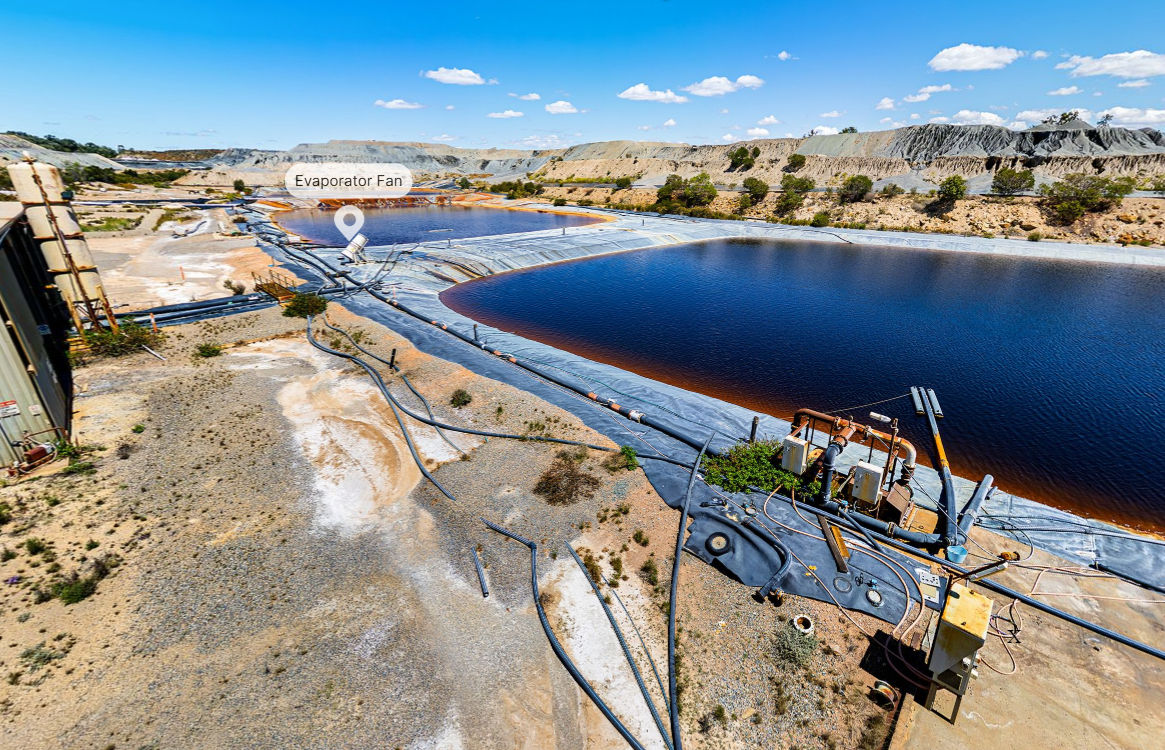
More than 2.5 million tonnes of above-ground material remain accessible on site, providing a reprocessing pathway that complements broader project development. This is further supported by the proposed extraction and smelting of material from the processing ponds, with an estimated recovery potential of 30,000 to 50,000 ounces of silver.
Together, these resources total 32.83Moz AgEq, highlighting the scale of the project and providing Silver Star with both long-term development potential and additional flexibility through accessible above-ground material that may support earlier-stage recovery.
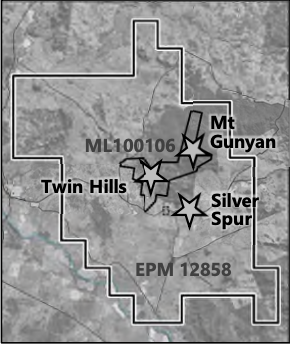
Geological review forms a central part of the current development program. Ongoing work includes reassessment of existing resource models, restatement of mineral resources, and improvement of confidence categories through further technical evaluation, infill drilling, and twinning programs.
Historical core is also being reassayed to strengthen geological understanding and help refine the resource base. This work is not only directed at adding tonnes or resource or ounces of metals, but also at improving the quality of the geological model, supporting better mine planning, and creating a stronger technical basis for future development decisions.
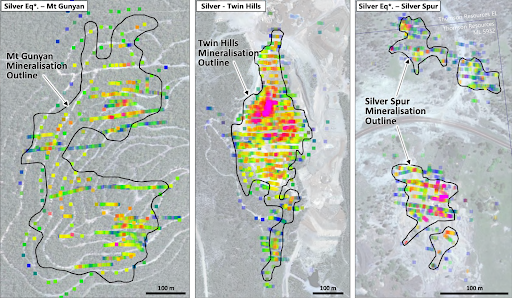
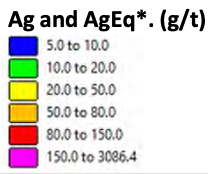
A proposed drilling program of approximately 5,000 metres is intended to support further resource growth and expand understanding of the broader district.
In addition to drilling around the established deposits, the broader development approach includes assessing opportunities to expand mineable land holdings and evaluate additional mineralised areas across the project footprint.
This extends the strategy beyond simple restatement of known resources. It includes targeted work aimed at increasing scale, identifying additional mineable opportunities, and building the broader critical resource mass needed to support long-term project advancement.
Processing and metallurgical assessment are also central to the project’s next phase. This work includes smelting, reprocessing, and metallurgical studies, together with the use and evaluation of existing site infrastructure such as the processing shed.
By combining resource work with processing and metallurgical evaluation, the project can be assessed more holistically, with multiple potential pathways considered as technical work progresses.
The Texas Silver Project benefits from multiple parallel value drivers across the district. Resource upgrades, reprocessing potential, proposed drilling, metallurgical assessment, historical core review, and expansion opportunities all contribute to a broader and more flexible development outlook.
This makes the project more than a conventional single-deposit redevelopment story. It is a district-scale opportunity with several avenues through which value may be built over time as technical work continues.